
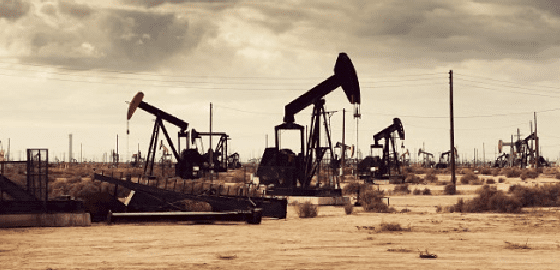
Thinking Through the Ground Beneath Your Feet: Experienced Oil and Gas Lawyers Around Grimes County Texas
Watson Law Firm explains how minerals, leases and drilling sites fit together across the state.
Contact 979-703-4044 to describe what you have and what you are unsure about.
Owning the Dirt Is Not Always Owning What Is Under It Under State Law
The law allows land ownership to be divided, so the surface of a tract and its minerals may have separate owners, and the setting often matters as much as the rules. Earlier owners may have reserved the minerals long ago, and that reservation can still be in force today, though general information can only go so far. A lawyer can explain how to read the records for a particular tract, in general terms; once the vocabulary is clear, the process is easier to follow.
The law tries to balance the mineral owner's right of access with the surface owner's use of the land; knowing this ahead of time removes some of the mystery. How far those rights go depends on the deed language, the lease and the facts on the ground, and a lawyer can explain how it applies to a given set of facts. Questions about a specific property depend on the specific papers; a short list of questions makes a first conversation more useful.
People researching Experienced Oil and Gas Lawyers frequently learn that the answer is spread across several old deeds. Family papers such as old letters and lease copies sometimes turn out to be important, and walking through it step by step makes it clearer. Taking time at this stage avoids confusion later; the specifics change with the facts of each case.
Reservations, Fractions and Inheritance in the Mineral Estate for Families Who Share Land
A mineral interest can be owned in full or in part, and many are shared among several people; this is a common point of confusion. A reservation in a deed keeps some or all of the minerals with the seller after the surface is sold; the surrounding facts give it meaning. Researchers trace the minerals through recorded deeds, wills and court records, and the setting often matters as much as the rules.
Minerals can be left by will, given away or inherited like other property, though general information can only go so far. A lease offer can be the first sign that the family still holds minerals; legal vocabulary often hides ideas that are simple. Details depend on the will, the deeds and the facts, and it is worth knowing before any decision is made.
Shared minerals can create situations in which owners hold different views, and questions about it are ordinary and welcome. It is common for owners to ask how their share is calculated; a short list of questions makes a first conversation more useful. Mistakes in a share can follow an owner through the paperwork for a long time, and it is easier to follow with an example in mind.
A Plain Guide to the Words in a Lease and What They Mean
The lease gives an operator permission to look for oil and gas on a tract, in exchange for certain payments and promises, and individual circumstances shape how it plays out. The terms are set by the parties, so no two leases are exactly alike, and it comes up early in most conversations. The concepts below appear in many leases, though the wording varies; the surrounding facts give it meaning.
A bonus is a payment a company makes to a mineral owner for signing a lease; each situation brings its own mix of people and papers. Some leases say more about this than others, and this is general information rather than advice about any one situation. Reading what the lease actually promises is the safest course, and the underlying idea is usually simple.
The length of that first period is written in the lease, and it is a core feature, and it is worth knowing before any decision is made. Provisions about delay, shut-in wells and extensions can also affect the lease; a plain-language explanation is usually the most useful starting point. Questions about a specific lease depend on that lease, and clear questions lead to clearer explanations.
Looking Over a Lease Before Signing Step by Step
Companies commonly send landmen to contact owners with a lease in hand; a concrete situation usually makes the idea clearer. Any promise made in conversation matters less than what is on the paper; what applies in one case may not apply in another. There is nothing wrong with asking what a term means; this is a common point of confusion.
Ask what the lease says about the surface, about water and about repairs to the land; this is one piece of a larger picture. Read any attached pages, since they are part of the agreement, and it can look different depending on who is involved. These questions are general and fit many leases; the general picture is a starting point and nothing more.
Marked-up copies, written questions and notes from conversations are all useful, and a short definition often clears up the confusion. Reminders on a calendar can prevent surprises; this is a good thing to understand early. Details depend on the lease and the facts, and questions about it are ordinary and welcome.
Pooling, Units and Shared Wells in this state
A unit is an area made up of more than one tract, treated together for a well; asking early tends to prevent confusion later. The state's oil and gas regulator has authority in this area, and it is easier to follow with an example in mind. Production from a unit is divided among the owners within it according to their interests, and individual circumstances shape how it plays out.
Notices about units describe the acreage and the well, and they are worth reading carefully; this is among the topics people ask about most. The answer usually lies in the pooling clause and in the unit designation; the surrounding facts give it meaning. Asking questions early is better than puzzling over statements later; each situation brings its own mix of people and papers.
For those reading about Experienced Oil and Gas Lawyers pooling is often one of the most confusing topics. Taking it one step at a time makes it clearer, and this is general information rather than advice about any one situation. Owners should not assume that one unit works like another; once the vocabulary is clear, the process is easier to follow.
When Operations Come Onto the Land and What Affects It
A well site needs a pad, an access road, and often pipelines and tanks, and it helps to have the idea in mind from the start. State rules may also address certain things such as setbacks and pits, and questions about it are ordinary and welcome. A lawyer can explain how the pieces generally fit; a short list of questions makes a first conversation more useful.
Damage to the surface is a topic that arises often when operations begin, and a plain explanation tends to help. A lease or surface agreement may address the topic directly, and the details can differ from one situation to the next. The details of the land and the documents control, and the explanation is simpler than it first appears.
Pipeline agreements are separate documents with their own terms, and the context around it is worth understanding. They may say who pays for damage and how the land will be restored, and the setting often matters as much as the rules. Specific questions depend on the agreement; only a conversation about the particular facts can apply it.
Reading the Paperwork That Follows Production in General Terms
After a well begins to produce, the company usually sends a division order to the owners; once the vocabulary is clear, the process is easier to follow. Some division orders contain extra language, so reading all of it is important; knowing this ahead of time removes some of the mystery. The document is not the same as the lease, and it does not replace it; a plain-language explanation is usually the most useful starting point.
Each statement lists the well, the production month, the volumes sold and the owner's share; a short list of questions makes a first conversation more useful. An unexpected change is a reason to ask what happened, and walking through it step by step makes it clearer. Statements are only as useful as the care taken in reading them; the specifics change with the facts of each case.
Notices about suspended payments commonly ask for documents to clear up the question, and it comes up early in most conversations. Keeping records of what was sent and received is helpful, and the context around it is worth understanding. No one can predict how a payment question will be resolved; the people and places involved change the picture.
Who Oversees Drilling, and Where to Look in this state
The state's oil and gas regulator keeps public information about wells and operators, and this is general information rather than advice about any one situation. The agency does not decide private disagreements about a lease, and that is why plain explanations are worth seeking out. A lawyer can explain the difference in general terms, and it is the sort of detail that is easy to overlook.
Many counties allow searches online, and others require a visit, and a lawyer can describe it step by step. Missing or unrecorded documents can leave gaps in the story, and no question is too basic to ask. Not every document is recorded, so the record is not always complete, and walking through it step by step makes it clearer.
What is written here is general information about the usual process, and individual circumstances shape how it plays out. Plain explanations make it easier to know what to ask; this is a common point of confusion. This summary ends here.
Watson Law Firm is available to explain how these documents generally work.